When a move into a care facility is decided, things to do suddenly pile up:
- Admission procedures
- Preparing to move
- Checking required documents
and more.
Among them, what many families struggle with is:
- What clothes should I prepare?
That is the question.
At Setagaya Kaigo, too, we receive questions like these every day:
- How many items do I need?
- I hear the facility uses a tumble dryer
- She uses a wheelchair — are ordinary clothes all right?
- She uses incontinence pants
- I don't know her size
These are typical questions.
In this article, we have put together the points to know first about preparing clothing for moving into a facility.
Three things to check with the facility first
It is reassuring to check these with the facility before buying clothing.
① Who does the laundry?
Depending on the facility, laundry may be:
- Done by the facility
- Outsourced to a contractor
- Taken home by the family
Arrangements differ.
Also, some facilities use tumble dryers, so dryer-safe clothing may be needed.
② Do the clothes need names?
Most facilities require names on clothing.
To prevent mix-ups after washing, some people use:
- Writing on the label
- Name stickers
- A name printing service
and so on.
This can take surprisingly long just before moving in, so we recommend preparing early.
See our free name printing service③ How much does the person change by themselves?
This is actually very important.
For example, situations such as:
- Using a wheelchair
- Difficulty raising the arms
- Difficulty with buttons
- Using incontinence pants
- Needing help to change
make a big difference to which clothing to choose.
How many items do you need?
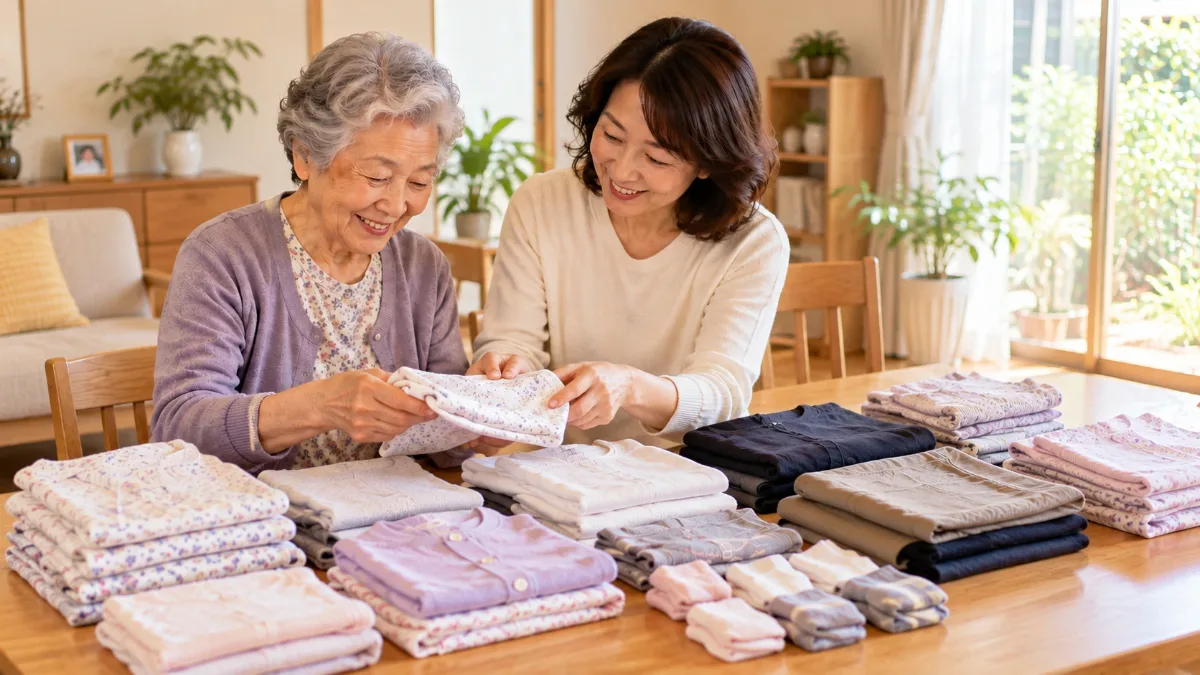
Everyday tops: 5–7
Considering a change every day, this many is reassuring.
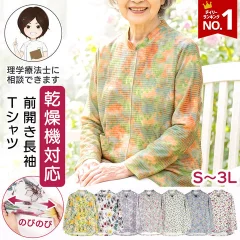
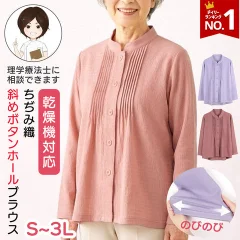
Front-opening clothing is popular because:
- It makes helping with changing easier
- Arms go through easily
- It is easy for the person to change and lightens the carer's burden
These are the reasons.
Recommended clothing
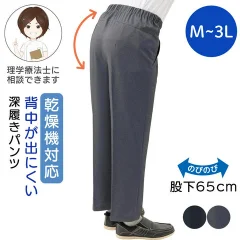
Everyday bottoms: 5–7
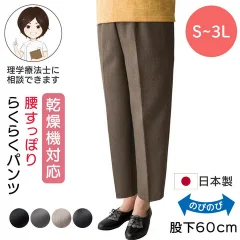
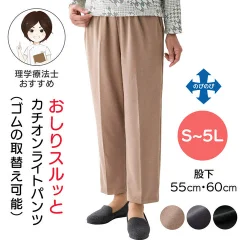
We recommend loose-fitting ones with a fully elasticated waist. If the person uses incontinence pants, clothing with room around the stomach is more comfortable.
Recommended clothing
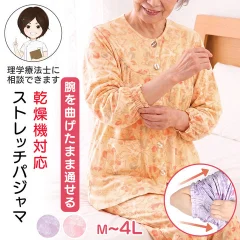
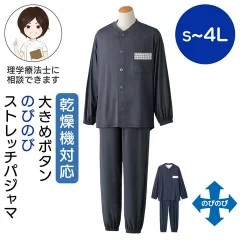
Pyjamas: 3–5
Considering the laundry cycle, at least about three is reassuring. Some facilities specify front-opening pyjamas.
Recommended clothing
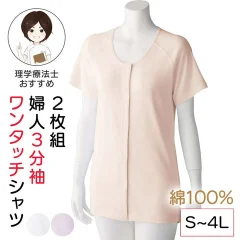
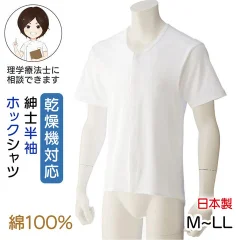
Underwear: 5–7
We recommend more for people who sweat easily. Switching between three-quarter and long sleeves according to the season is comfortable.
Recommended clothing
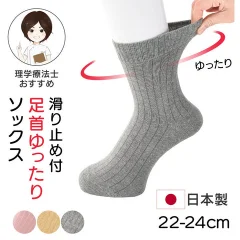
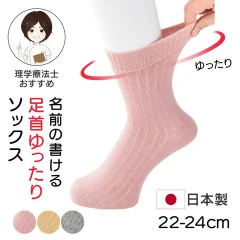
Socks: 5–7 pairs
Socks are easily lost, so preparing a few extra is reassuring. Some facilities require non-slip socks.
Recommended clothing
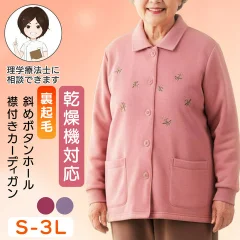
Layers: 1–2
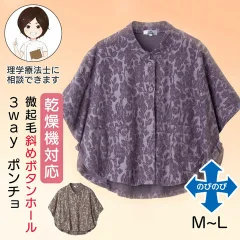
Facilities are air-conditioned, so a cardigan or vest is handy for adjusting body temperature.
Recommended clothing
But what matters is not "the number"
We have introduced numbers so far, but what we feel from actual consultations is:
"Whether it suits the person" matters more than "how many there are"
That is the point.
Common mistake ① Choosing their usual size
After moving into a facility, because of:
- Incontinence pants
- Absorbent pads
- Sitting for long periods
the same size as before may feel tight.
Pay particular attention to the stomach and hips.
Common mistake ② Choosing only in a standing position for a wheelchair user
For wheelchair users, even if clothes look right standing, when seated:
- The stomach feels tight
- The back shows
- The hems are too long
these can happen.
In facility life, "whether it is comfortable when seated" is very important.
Common mistake ③ Bringing only favourite clothes
Of course, wearing favourite clothes is important.
On the other hand, facility life involves:
- Changing every day
- Laundry
- Help from carers
So "clothes that are easy to change" often turn out to be more useful than "clothes the person can wear".
Clothing choices change for people like these
In cases like the following, a slightly different viewpoint from ordinary clothes shopping is needed.
- Using a wheelchair: the key is whether it is comfortable when seated.
- Using incontinence pants: room around the stomach and hips matters.
- Difficulty raising the arms: front-opening types can be convenient.
- Difficulty with buttons: large buttons or touch-fastener tape can help.
- Using a tumble dryer: choosing dryer-safe clothing makes care easier.
You don't need to buy everything new
Families sometimes ask us:
- She's moving into a facility — should I replace everything?
We receive questions like this.
That is not necessarily needed.
First check the clothing the person already has, and it is enough to add only:
- What is missing
- What is hard to change into
- What doesn't suit facility life
Adding just these is fine.
Many families also buy more after life at the facility has begun.
Do you have worries like these?
When preparing to move into a facility, we actually receive questions like:
- She spends a lot of time in a wheelchair — what trousers are good?
- She uses incontinence pants. Is her usual size all right?
- The facility asked us to prepare dryer-safe clothing.
- Her arms are getting hard to raise, so I'm looking for clothes that are easy to change.
- Her back is bent, and her usual trousers leave her back exposed.
- We need to put names on the clothing she takes to the facility.
- I don't know how many items to prepare.
The clothing to choose changes with the person's condition and the facility's environment.
So even among women of the same age, clothing that suits one person may not suit another.
Please ask us after moving in, too
Some things about life at a facility only become clear once it begins.
- The facility was warmer than I expected
- The facility asked us to prepare front-opening clothes
- She spends more time in a wheelchair, and her usual trousers have become hard to put on
- She started using incontinence pants, and her size no longer fits
- It's her first winter there — I don't know how warm her clothes need to be
Also, as the seasons change, or as the person's physical condition or way of spending time at the facility changes, new questions about clothing may arise.
That is why you don't need to try to have all the clothing perfectly ready when moving in.
One approach is to begin life at the facility making use of the clothes the person already has, and gather what is needed little by little.
At Setagaya Kaigo, you can ask us not only about preparing to move in, but also about clothing after moving in.
When the seasons change, when the person's physical condition changes, or when the facility makes a new request about clothing,
- What should she wear at times like this?
- Are the clothes she has now all right?
whenever you are unsure, please feel free to ask us.
If you are unsure, please ask us
Even among women of the same age, the clothing to choose changes depending on:
- Whether they use a wheelchair
- Whether they use incontinence pants
- Height and build
- Whether they change by themselves
- Whether help is the main approach
and so on.
When we receive questions, we don't look only at size; we think it through with you, listening to how the person is and about life at the facility.
Moving into a facility is "the day a new life begins"
Moving into a facility is a big turning point for both the person and the family.
That is why we want to value not only "what to buy" but also "how they can live with peace of mind".
At Setagaya Kaigo, we help choose clothing in cooperation with physical and occupational therapists.
- What clothes would suit my mother?
- The facility told us to get dryer-safe clothing
- I'm worried about choosing the size
At times like these, please feel free to ask us.
And after life at the facility has begun, whenever you are unsure about clothing, please talk to us at any time.
When moving in, and after moving in. We hope to think together with families about clothing in which the person can live comfortably and in their own way.
Consult us about clothing for moving into a facility