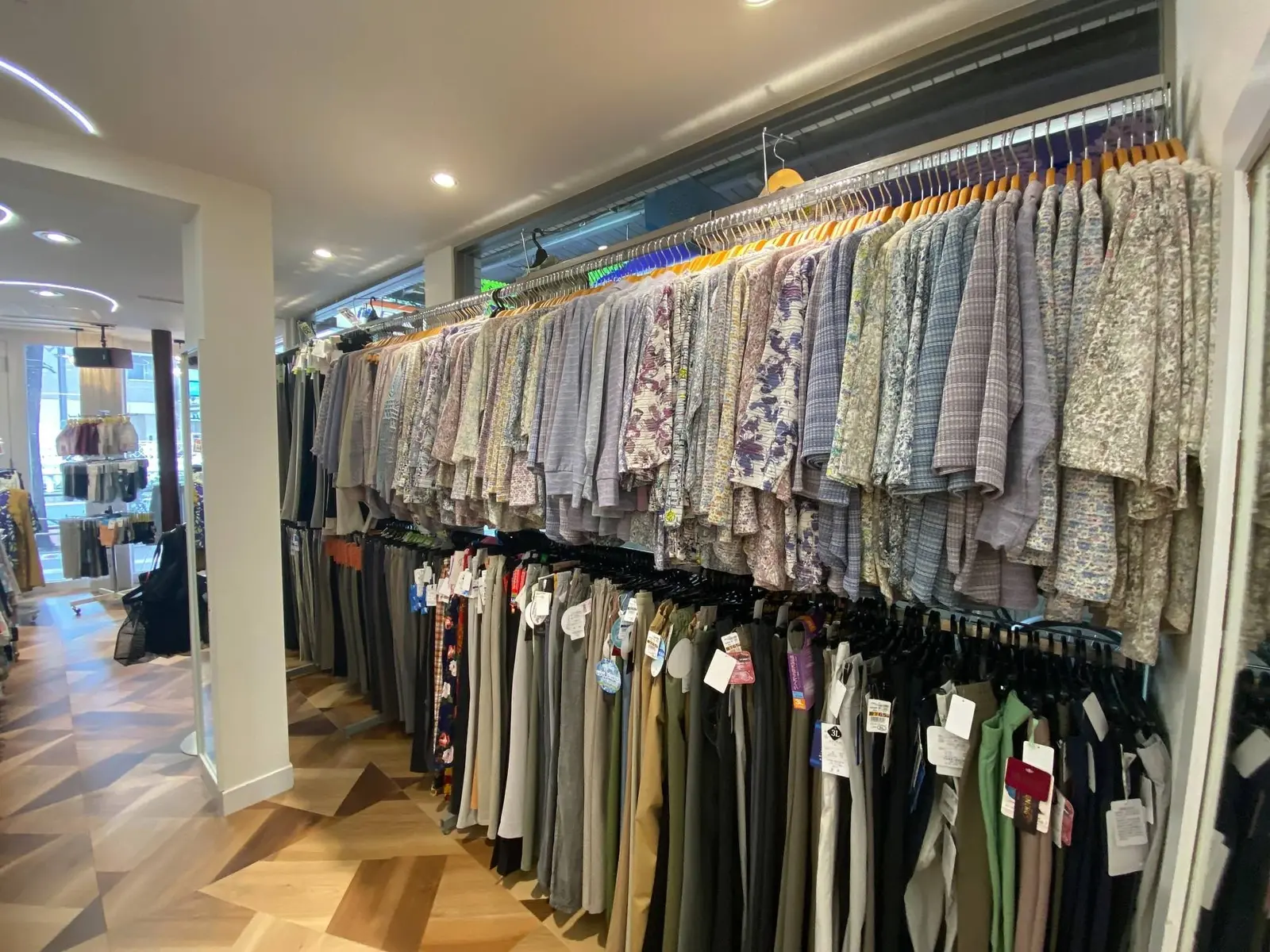
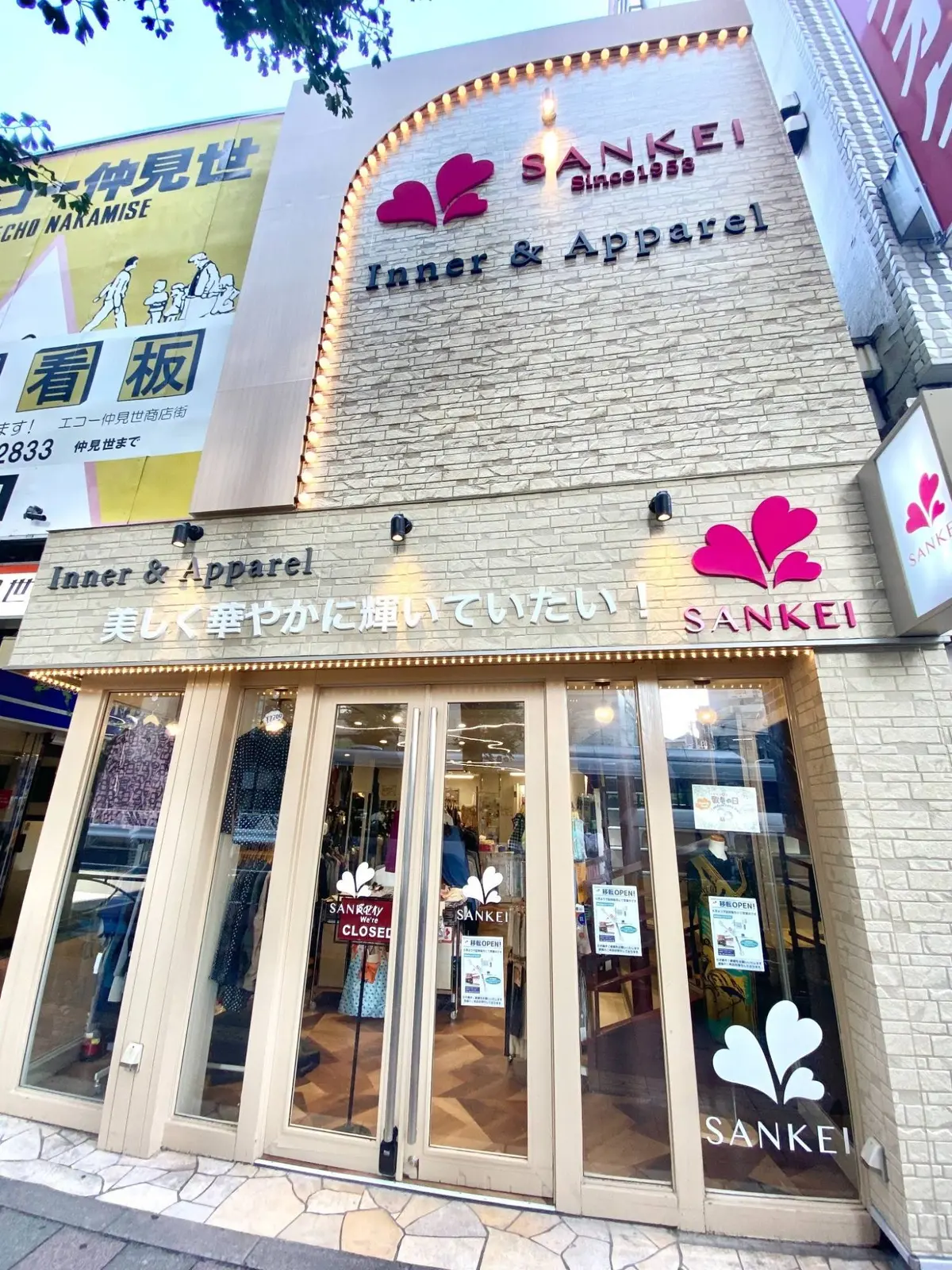
Exterior of SANKEI Sangenjaya Store

OUR STORY

How Setagaya Kaigo began

Why we sell peace of mind, not just clothes

三恵(SANKEI)三軒茶屋店

The physical store of Setagaya Kaigo.

Setagaya Kaigo is a shop that sells care clothing: tops, trousers, underwear, pajamas, socks and more.

But what we truly want to deliver is not just clothing.

"If I choose this, it will be all right."

We want to deliver that kind of peace of mind.

Behind this belief are more than 70 years of serving customers in Sangenjaya, and one customer we will never forget.

  1. 1953It all began with an underwear shop in Sangenjaya
  2. 2014"They told me none of it could be used"
  3. Origin"Sell peace of mind, not products"
  4. Store to onlineLearning on site, from our store to Setagaya Kaigo
  5. 20242024: becoming a shop where you can ask for advice
  6. Sales floorSo we can answer "Which one should I choose?"
  7. AheadPassing one customer's voice on to the next
  8. Peace of mindWhat we want to offer is peace of mind

1953

It all began with an underwear shop in Sangenjaya

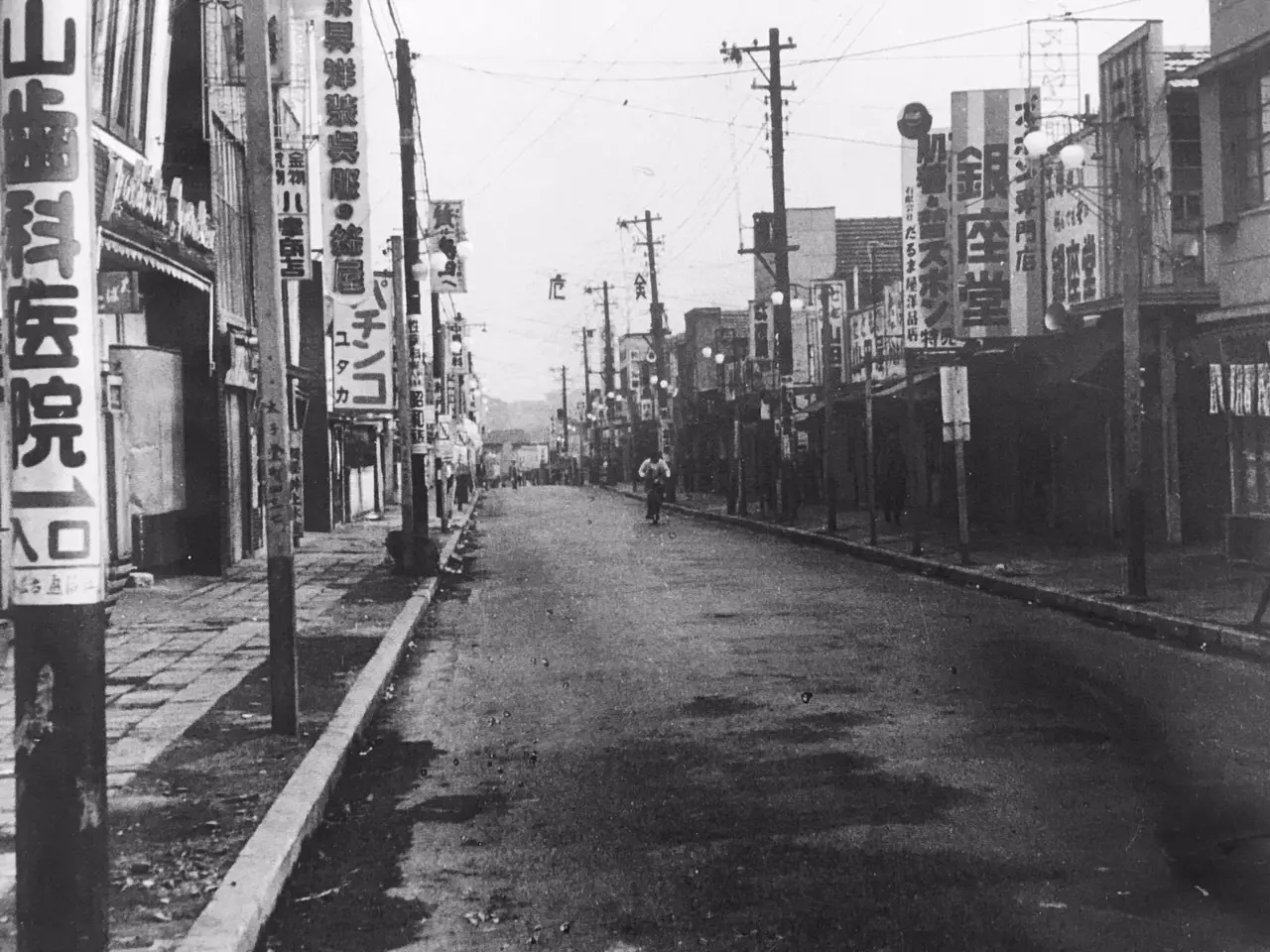
Chazawa-dori street in Sangenjaya in the Showa era
Chazawa-dori, Sangenjaya, in the Showa era. The second shop from the right is SANKEI at the time.

SANKEI Co., Ltd. started in 1953 in Sangenjaya, Tokyo, as a direct sales shop for an underwear factory.

We sold cotton underwear of the same quality supplied to department stores. Selling directly from the factory kept distribution costs down for the local community.

"Good underwear, as affordable as possible."

As we kept the shop going, customers began telling us what else they wanted.

  • "Don't you have socks as well as underwear?"
  • "It would be nice if you had clothes too."

Then let's stock what our customers need. With that in mind, we gradually expanded our range.

From underwear to socks. Then clothes, hats, towels and shoes. Before we knew it, we had become a shop with all kinds of everyday clothing and accessories.

Looking back, our shop has always changed little by little by listening to customers. A wide range, and helping customers find what they were looking for — that, we believed, was how to be useful.

2014

"They told me none of it could be used"

Over time, more customers came looking for care clothing.

  • "I'm looking for clothes for my mother, who is moving into a facility."
  • "Do you have trousers that are easy to change into?"
  • "Is there underwear that's easy for my elderly father to wear?"

Many older customers had shopped with us for years, so we already had plenty of clothing suited to care. We'd listen, suggest "How about this one?", and look for clothes together. Customers left happy, and we believed we were being helpful.

Then, around 2014, something happened that showed us this wasn't enough. We still cannot forget it.

A man in his fifties came in, probably on his way home from work, in a suit.

His mother was moving into a care facility, and he needed a full set of underwear and clothing. Her favorite colors. The size she usually wore. The materials she liked. We asked about each one and chose clothes together.

When everything was ready, he said, "This should be fine," and left looking relieved. We thought we had done our job well.

A few days later, the man came back. Unlike before, his face was clouded.

"The facility told me none of it could be used."

She needed a larger size. Her underwear had to open at the front, not go on over the head.

We had asked about her preferences, size and materials, and explained the clothing carefully. We believed we had served him with care. And yet, we had not really helped him.

Origin

"Sell peace of mind, not products"

Why didn't it work? When we thought about it, what we had asked was not enough.

  • Where does the person live?
  • How do they usually spend their day?
  • Can they dress themselves, or do they need help?
  • How well can they move their body?
  • Has the facility specified anything about clothing?
  • How is the laundry done?

Even for the same request — "I'm looking for size M underwear" — the right choice changes with the person's life, physical condition and the way they are helped.

Stocking lots of clothes and choosing hard was not enough. We needed to understand what the customer was struggling with, how they live and what they want, and then think it through together. For that, we ourselves needed knowledge about care, the body and clothing.

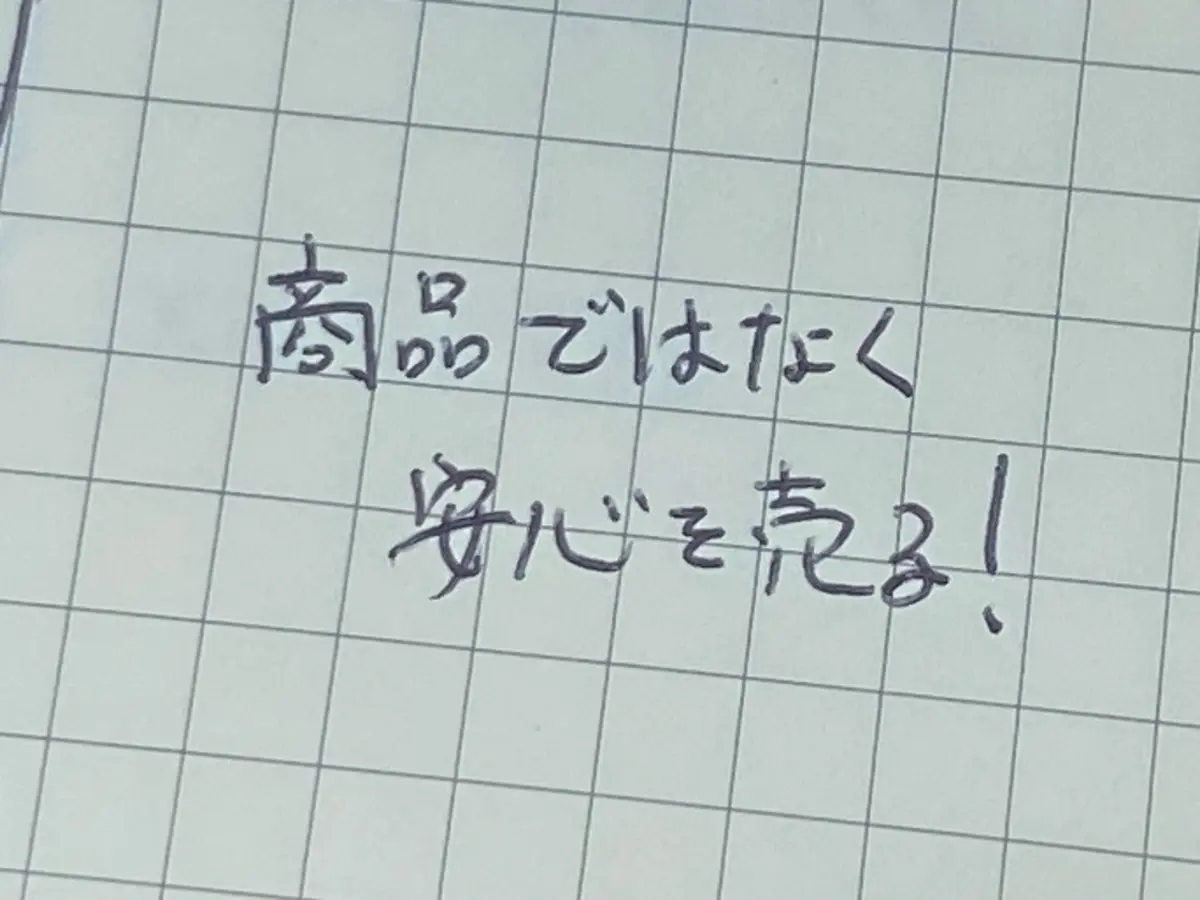
At the time, we couldn't put it into words as neatly as this. What remained was frustration — "we could have done more" — and a sense of having let the customer down. That experience led to a few words written in a notebook.

Sell peace of mind, not products!

Sell peace of mind, not products!

Words written in a notebook after helping that customer. It is still the belief Setagaya Kaigo holds dear.

Looking at it now, it is just one hastily written line. But "sell peace of mind, not products" became the starting point for how we built our shop.

Not just selling clothes, but delivering the peace of mind beyond them. That belief has not changed.

Store to online

Learning on site, from our store to Setagaya Kaigo

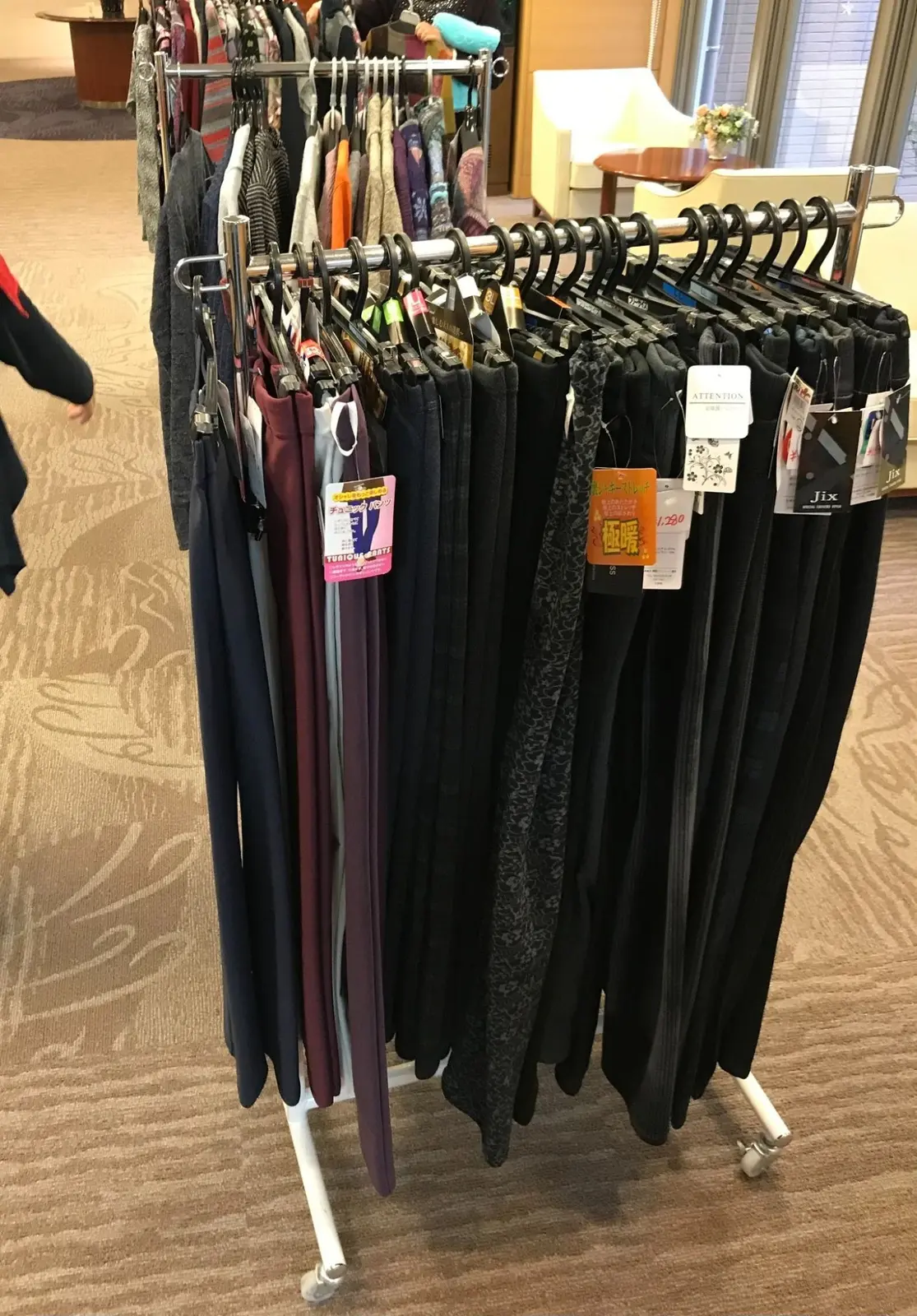
A mobile sale in the lobby of a care facility
We also held mobile sales at nearby care facilities and learned on site.

First, we needed to know much more about care clothing ourselves. Besides studying clothing, we held mobile sales at nearby care facilities.

  • What clothing do facility residents choose?
  • What do the residents themselves struggle with?
  • What do caregivers look for in clothing?

Little by little, we learned what we couldn't see from behind the counter, and brought it back to our sales floor.

Instead of simply lining up "clothing that's easy for care," we tried to explain clearly who each item suits and what difficulty it helps with. We built our sales floor that way, step by step.

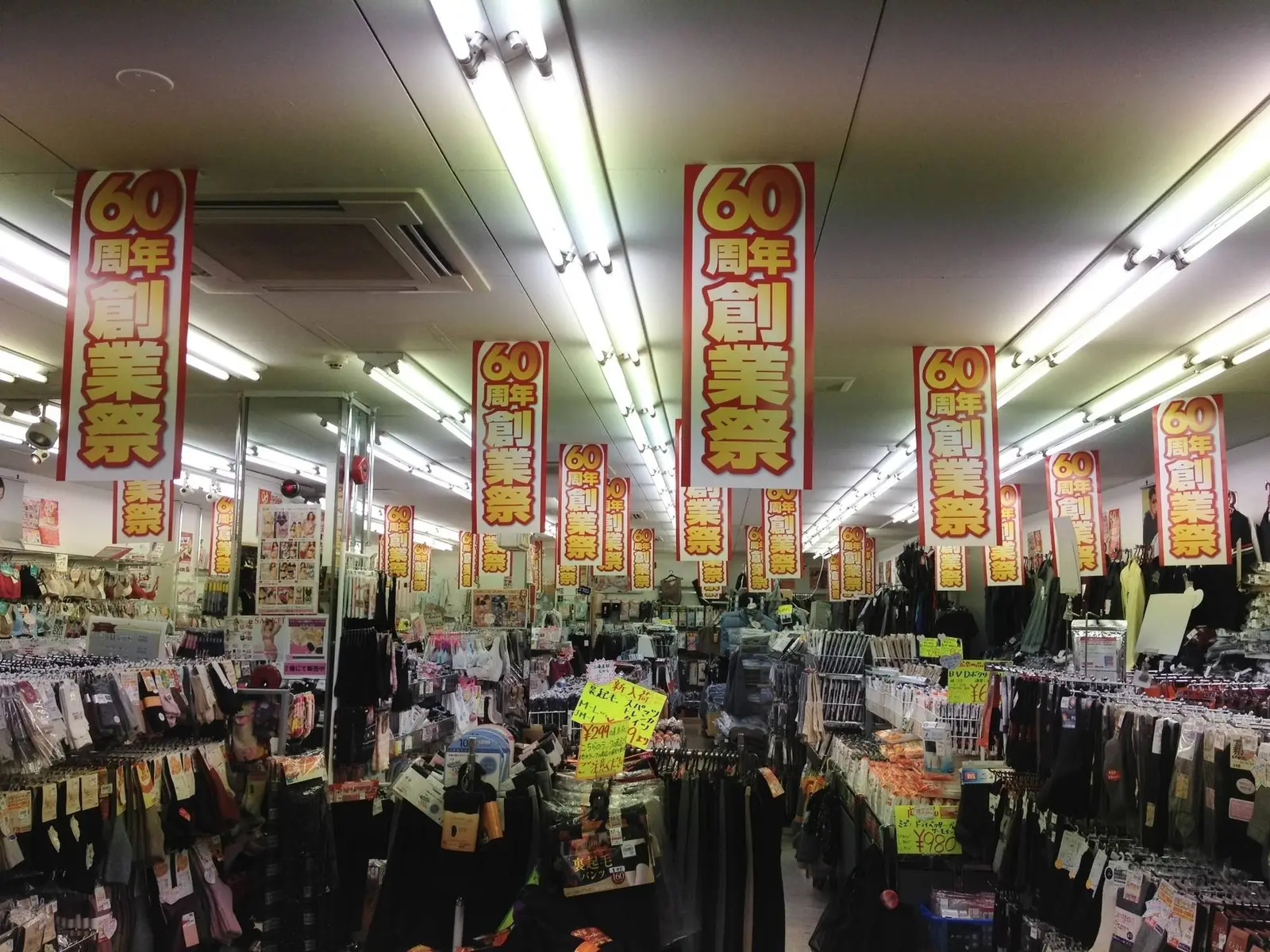
Photos from that time show a floor crowded with clothing and POP signs. But every sign carried our wish to explain, as clearly as possible, what is convenient about the item and who finds it easy to use.

  1. Learn from customers
  2. Learn at care sites
  3. Bring it to the sales floor
  4. Listen to customers again

Repeating this, an idea took shape: could we do what we do on this sales floor on the internet as well?

We wanted to share clothing features and how to choose with people who have no care clothing shop nearby, and give a clue to anyone wondering "which one suits me?" when looking for care clothing for the first time. Delivering online what we had told each customer in our store — that led to the Setagaya Kaigo online shop.

For us, Setagaya Kaigo is not a shop that was born only on the internet.

It began as an effort to deliver online what we had learned and tried while serving customers at our store in Sangenjaya.

Inside SANKEI around its 60th anniversary
Our sales floor in 2013, our 60th anniversary, full of clothing and POP signs.

They are the same shop

SANKEI Sangenjaya Store

Our physical store since 1953. See, touch and get advice before you choose.

Setagaya Kaigo

Our care clothing service and online shop, sharing what we learned in store.

SANKEI Sangenjaya Store is the physical store of Setagaya Kaigo. The same staff, with the same beliefs, take your questions both in store and online.

2024

2024: becoming a shop where you can ask for advice

The sales floor of the current store after its 2024 move
The sales floor of our current store, which moved in 2024.

Then, in 2024, moving our store became another major turning point.

If we were building a new store, we wanted it to be more than neatly displayed clothing: a place where people could ask for advice with confidence when they need care clothing.

From stocking lots of clothing, to thinking together about what suits each person. One step toward that was hiring physical and occupational therapists.

But we are not a hospital or a care facility. We are a retailer. At first, we didn't even know how to hire therapists.

We found a job site for medical professionals and contacted them. The operator asked, "Are you a hospital? A rehabilitation center? A care facility?" When we answered, "No, a retail shop," they said, "There's no precedent, so we may not be able to post it."

Still, if we handle care clothing, having people with specialist knowledge of the body would surely give customers peace of mind. So we went ahead with hiring.

Today, physical and occupational therapists work in our store as Setagaya Kaigo sales staff. They also work in hospitals, care facilities and other settings. Beyond their specialist knowledge, we learn from them every day about what actually happens in care and rehabilitation.

Sales floor

So we can answer "Which one should I choose?"

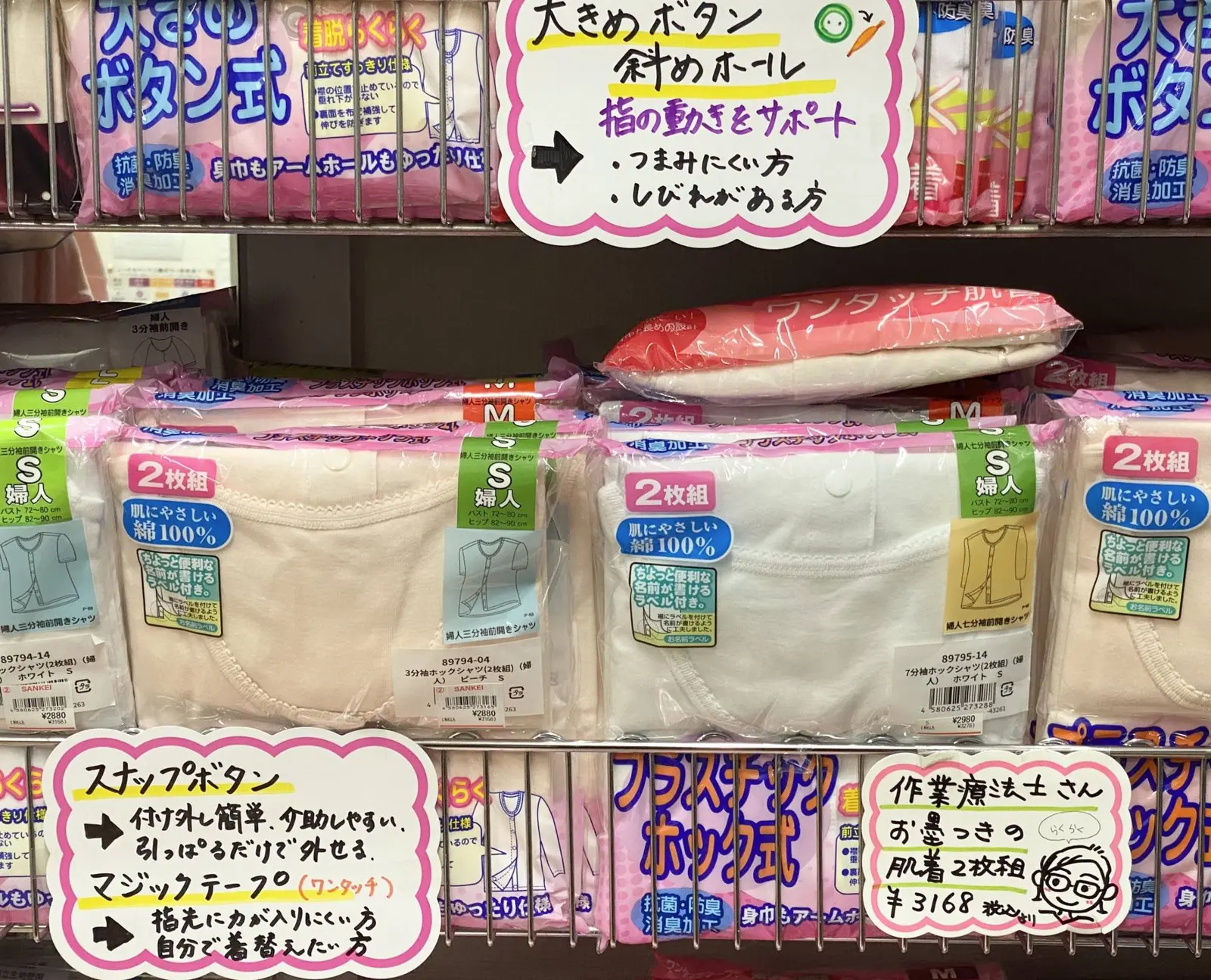
Handwritten POP signs for front-opening underwear made by an occupational therapist
Handwritten signs made by our occupational therapist. Even for the same front-opening underwear, they explain from a professional viewpoint who each type of button or fastener suits.

Care clothing often looks alike at first glance. Even front-opening underwear comes with large buttons, diagonal buttonholes, snap buttons or hook-and-loop fasteners. Each has its own features, and which is easiest depends on the person's body and how they get dressed.

So our occupational therapist takes part in designing our sales floor. Rather than simply listing functions, we explain features from viewpoints like:

  • "For people who find it hard to use their fingertips?"
  • "For people with numbness?"
  • "For people who want to dress themselves?"

We try to make each item's features as easy to understand as possible.

Our aim is not to line up technical terms, but to answer the customer's question — "Which one should I choose in my case?" — as clearly as we can.

And if signs and descriptions aren't enough, please ask us directly. The person's physical condition. Their daily life. Whether they dress themselves or are helped. Whether the clothes are for a facility or for home. Listening and thinking together is part of our job too.

What we learned from helping one customer has gradually shaped our sales floor and the way we serve people today.

Ahead

Passing one customer's voice on to the next

Today, Setagaya Kaigo takes questions about care clothing not only in store but also on LINE. And we don't think of each consultation as ending there.

  • "When I sit in a wheelchair, my trouser hems ride up."
  • "I go to the toilet on my own, so I want trousers that are easy to pull up and down."
  • "It's hard to find clothes that can go in the facility's dryer."
  • "My arms don't lift well anymore, so getting dressed has become hard."

What troubles one customer may be troubling someone else. So we use what we learn from consultations to develop and improve our clothing, and sometimes share it in articles on choosing care clothing.

Recently, we have been attending academic conferences on dementia and care training, learning beyond clothing. We don't know everything about care. That's exactly why we want to keep learning.

  1. Consult
  2. Learn
  3. Improve
  4. For the next customer

Learning from customers, from professionals and care settings, and on our own — then returning that knowledge to the next consultation and to how we make clothes. We value repeating this cycle.

Peace of mind

What we want to offer is peace of mind

Setagaya Kaigo offers all kinds of care clothing — tops, trousers, underwear, pajamas, socks and more. But what we truly want to offer is not only clothes.

When care begins. When a family member moves into a facility. When their body changes and the clothes they used to wear become hard to put on. With everything new, some people worry alone:

  • "What should I buy?"
  • "Is this size all right?"
  • "Can this be used at the facility?"

At those times, we want to be the place you think of: "Let's ask Setagaya Kaigo."

Sorting out what you don't know, together. Listening to the person's life and physical condition. Borrowing professional knowledge when needed. And thinking together about clothes that suit them.

We want to reduce "I bought it, but it couldn't be used" to zero.

We also want to shorten the time spent worrying alone about what to choose, so that time can go to happy, warm moments with your loved ones.

"Sell peace of mind, not products" — words written after we couldn't fully help one customer. Since then, we have kept working at it in our own way. Of course, there is still much more we can do.

We will keep listening to customers, learning from professionals and care settings, improving our products and services, and learning ourselves.

  1. 1953: a factory direct underwear shop in Sangenjaya
  2. A shop stocking all kinds of clothing in answer to customers
  3. Learning in care settings and bringing it to the sales floor
  4. Taking what we built in store to the Setagaya Kaigo online shop

Today, both in store and online, we want to be a place where you can ask about care clothing with confidence. Because our shop began by listening to customers, that attitude will not change.

When you're troubled about care clothing, you don't have to worry alone.

Being that kind of shop — that is why we continue Setagaya Kaigo.
If you're unsure about choosing care clothing

  • "What should we bring to the facility?"
  • "What clothes should I choose?"
  • "I don't know the size."

Please feel free to ask us. We'll listen and think together about clothing that suits the person.