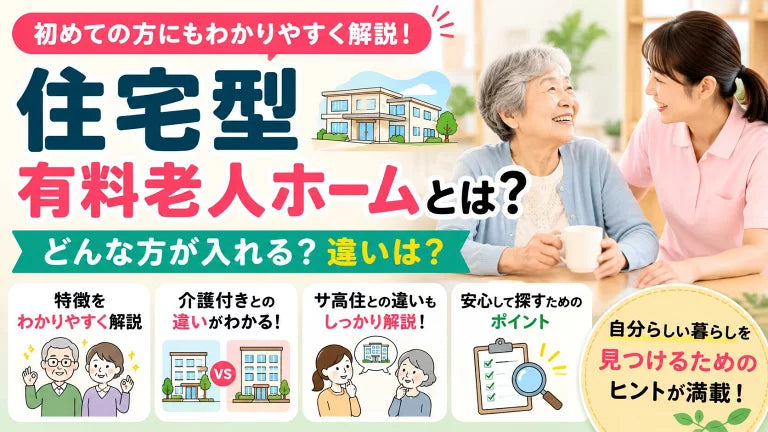
What is a residential-type fee-based care home?
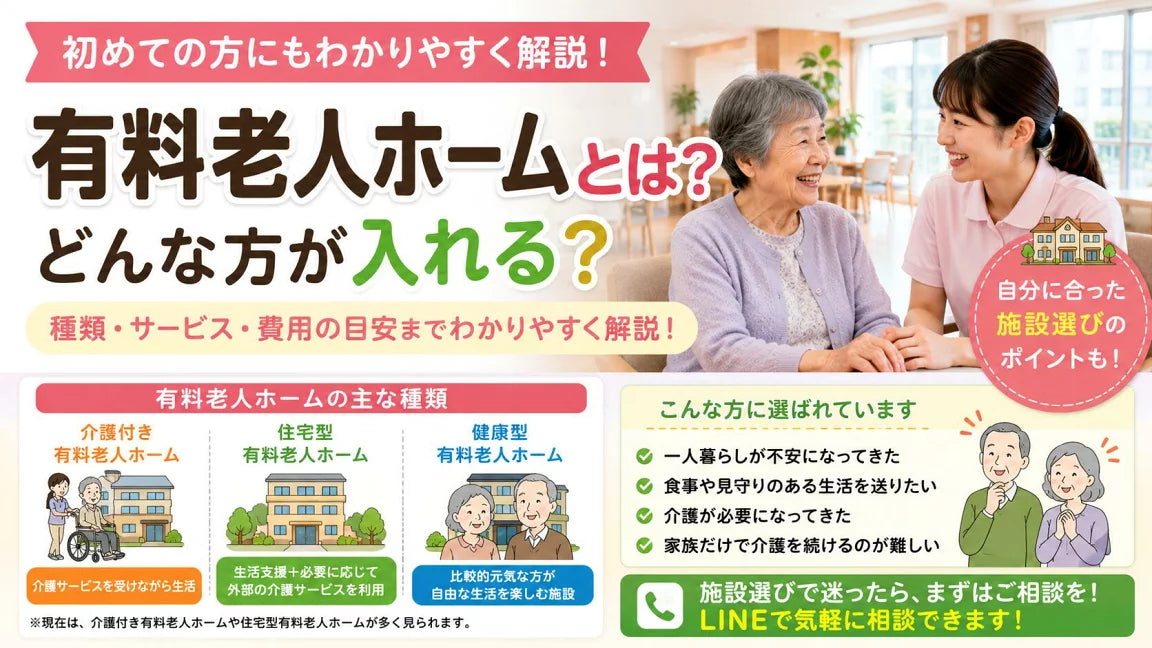
When you look into care, you may come across the term "residential-type fee-based care home" (jutaku-gata yuryo rojin home).
But you may be wondering:
- How is it different from a fee-based care home with nursing care?
- Can someone who needs care move in?
Many people have these questions.
A residential-type fee-based care home is a type of fee-based care home: a privately run facility where residents live while receiving daily-life support.
If care becomes necessary, residents generally continue living there while using outside services such as home-visit care.
What kind of life is lived there?
At a residential-type fee-based care home, residents live while receiving daily-life support from the facility, such as:
- Meals
- Advice on daily life
- Safety checks
and so on.
On the other hand, if care becomes necessary, residents generally use outside services such as home-visit care and day service.
In other words, it provides a place to live while residents combine the care services they need. That is why it is called "residential-type".
Who uses it?
Admission conditions differ by facility, but it is mainly used by people such as:
- People who have started to feel uneasy living alone
- People who want a life with meals and someone keeping an eye on them
- People preparing for when care becomes necessary
- People who want to keep living in their own way
It is often used by people who are still relatively well.
How is it different from a fee-based care home with nursing care?
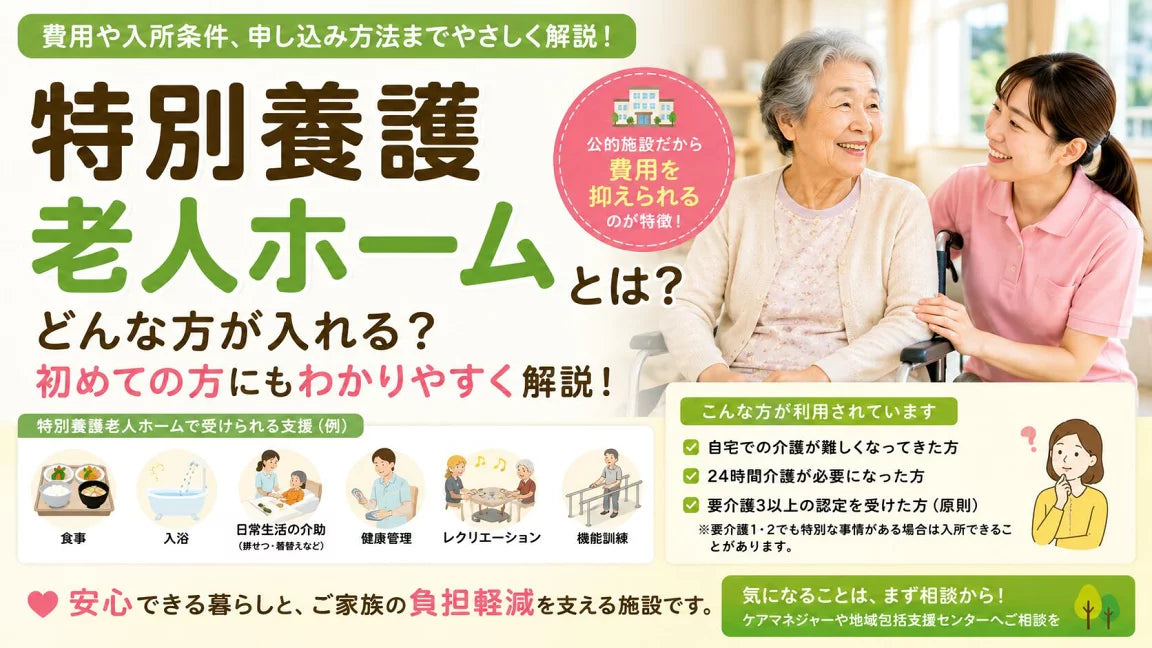
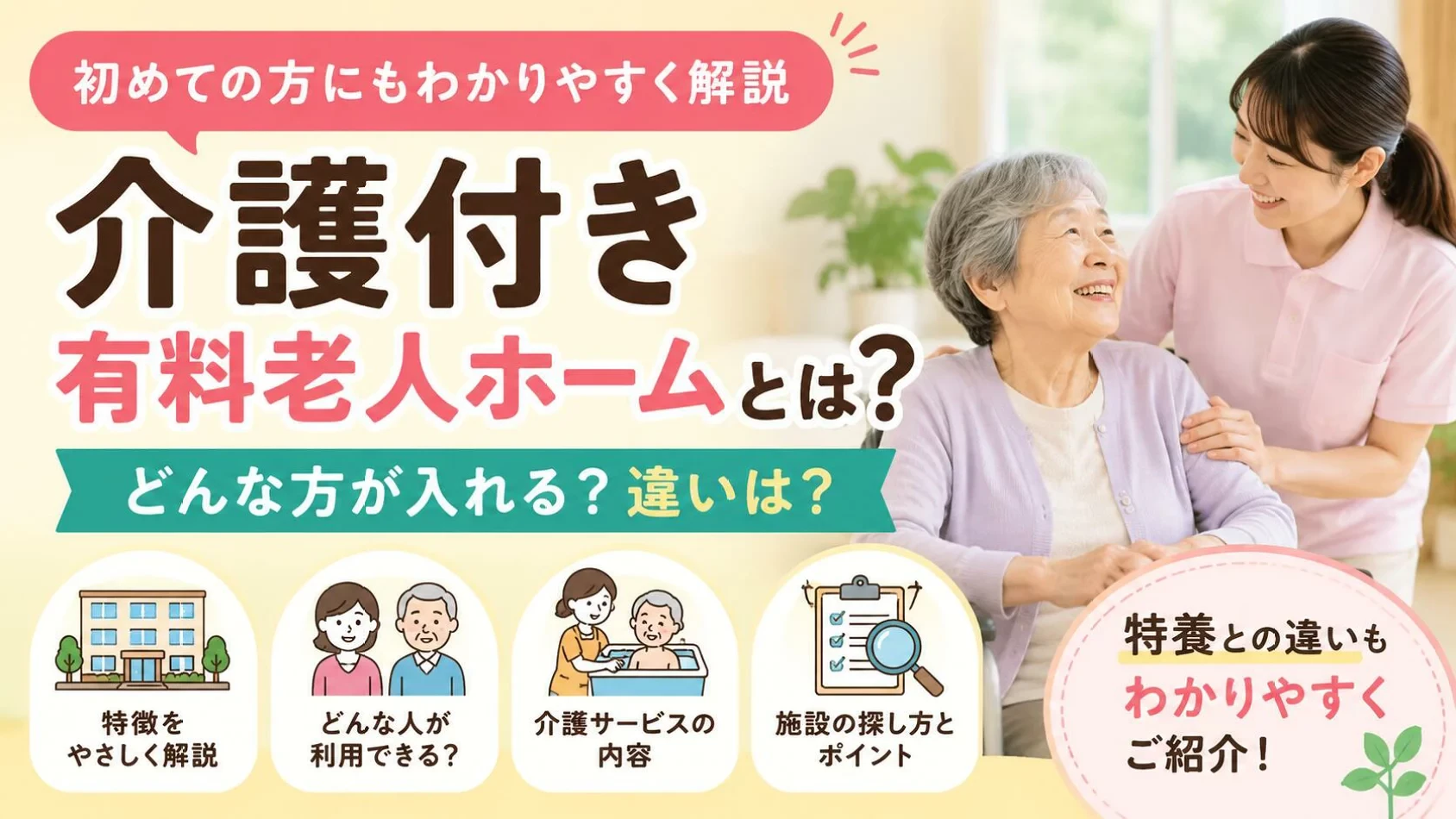
The names are similar, but there is a big difference between residential-type and fee-based care home with nursing cares.
At a residential-type fee-based care home, if care becomes necessary, residents generally use outside care services.
At a fee-based care home with nursing care, on the other hand, the facility's own staff provide care services.
Which suits the person depends on their physical condition and the way of life they want.
How is it different from serviced housing for older people (sakoju)?
Residential-type fee-based care homes and serviced housing for older people (sakoju) are similar in that both let residents live while receiving daily-life support.
A residential-type fee-based care home is a privately run care home where residents live while receiving daily-life support services. Many let residents use meals and daily-life support services, and a key feature is that it is easy to live in a way that suits the person's lifestyle.
Serviced housing for older people (sakoju), on the other hand, tends to suit people who want to live at their own pace in a private space like their own home, or who want to keep initial costs as low as possible.
The services provided and the response to care and medical needs differ by facility.
Neither is better in itself. What matters is choosing a facility that suits the person's physical condition and the way of life they want.
Can residents keep living there if they need care?
At a residential-type fee-based care home, even if care becomes necessary, residents may be able to keep living there while using outside care services.
On the other hand, if more care or medical support becomes necessary, depending on the facility's arrangements, a move elsewhere may be suggested.
When considering moving in,
it is reassuring to check "whether the person can keep living there if their care needs become heavier".
Where should you go for advice when looking for a facility?
People looking for a facility for the first time often wonder:
- Where should I go for advice?
This is very common.
In that case, first consult the person's care manager or the community general support center. They will think with you about suitable facilities, listening to the person's physical condition and the family's wishes.
When visiting, we recommend checking:
- The overall atmosphere of the facility
- How the staff respond
- How the residents seem
- What daily-life support is provided
and so on.
What to prepare when moving in
It differs by facility, but people generally prepare things like:
- Everyday clothes
- Underwear
- Pyjamas
- Shoes
- Towels
- Daily necessities
Some facilities let residents rent nightwear, towels and so on.
Laundry methods and the number of clothing items to bring also differ by facility, so it is reassuring to check before moving in.
Clothing we recommend for moving in
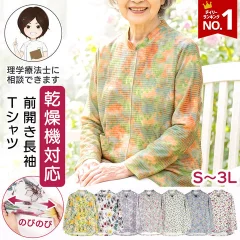
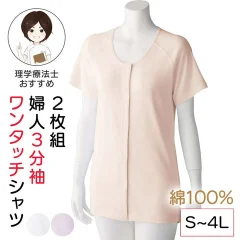
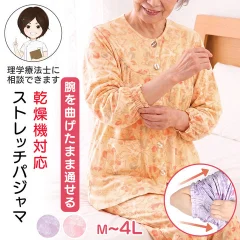
If you are unsure about clothing, ask Setagaya Kaigo
When a move into a residential-type fee-based care home has been decided, we often receive questions like:
- What clothes should I prepare?
We receive many such questions.
At Setagaya Kaigo, we listen to things such as:
- The person's physical condition
- Life at the facility
- How easy it is to change
- The facility's laundry method and use of tumble dryers
and suggest care clothing that suits the person.
Please feel free to ask us.
Feel free to ask us on LINESummary
A residential-type fee-based care home is a type of fee-based care home: a privately run facility where residents live while receiving daily-life support.
If care becomes necessary, residents generally continue living there while using outside services such as home-visit care.
Daily-life support and the response to care needs differ by facility, so it is important to choose a facility while thinking about the person's physical condition and the future.
If you are unsure, don't try to decide alone. Consult the community general support center or the person's care manager, and choose a facility that both the person and the family are happy with.
*This article is based on the Japanese system as of July 2026. The system may be revised, so please check the details with your local municipality or community general support center.
References and sources: Ministry of Health, Labour and Welfare, "Overview of the long-term care insurance system"; Care Service Information Publication System, "What services are there? Daily life care for residents of specified facilities" (in Japanese)