What is a geriatric health services facility (roken)?
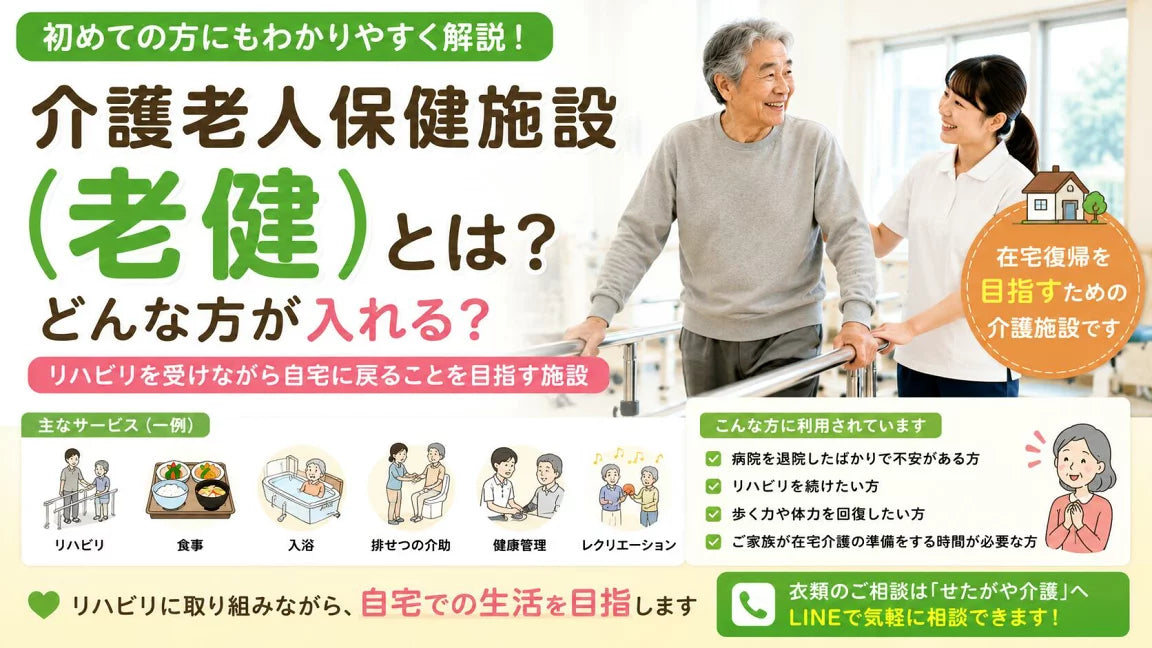
When looking into care in Japan, you may come across the term "kaigo roujin hoken shisetsu" (roken), a geriatric health services facility.
But many people probably wonder:
- Is it different from a special nursing home?
- What kind of person uses it?
A roken is a care facility used by people who need rehabilitation after leaving hospital or in preparation for living at home.
Whereas a special nursing home is a "place to live," a roken is characterized as a facility for preparing to return home.
What happens at a roken?
The content differs by facility, but in general there are services such as:
- Rehabilitation
- Meals
- Bathing
- Assistance with daily life, such as toileting
- Health management
- Recreation
While receiving rehabilitation from professionals such as physical and occupational therapists, the person aims to recover the movements needed for life at home.
Who uses a roken?
A roken can be used by people certified at care-need level 1 or above.
For example, it is used by people who:
- Have just left hospital and are anxious about life at home
- Want to continue rehabilitation
- Want to recover walking ability and stamina
- Have family who need time to prepare for care at home
How is a roken different from a tokuyo?
A roken and a special nursing home sound similar, but their purposes differ.
A roken is a facility that aims at returning home while receiving rehabilitation.
A special nursing home (tokuyo), on the other hand, is a facility where people who need care live for the long term.
So a roken is often chosen by people who say:
- After leaving hospital, I want to continue rehabilitation so that I can go home
and a special nursing home by people who say:
- Life at home has become difficult, and I want to live for the long term while receiving care
How do you start using a roken?
If it is your first time, start by consulting your care manager or the community general support center.
The flow up to starting is as follows.
- Consult the community general support center or a care manager
- Have a roken suited to the person introduced
- Visit and receive an advance explanation
- Move in
The content of rehabilitation and the atmosphere differ by facility, so it is reassuring to visit beforehand.
What should be prepared when moving in?
It differs by facility, but in general the following are prepared.
- Everyday clothes
- Underwear
- Pajamas
- Shoes
- Towels
- Daily necessities
Facilities often use washing machines and dryers, and you may be asked to write names on clothing.
Also, some facilities offer rental services for nightwear, towels and so on. What to bring and what can be rented differ by facility, so it is reassuring to check before moving in.
Choosing clothing that is easy to do rehabilitation in also matters
At a roken, points for choosing clothing include:
- Being easy to move in
- Being easy to change
- Holding up well through repeated washing and drying at the facility
It is also important to choose clothing the person feels comfortable in, so that they can approach rehabilitation positively.
Here are examples of clothing that is easy to move in and dryer-safe.
Clothing we also recommend for rehabilitation days
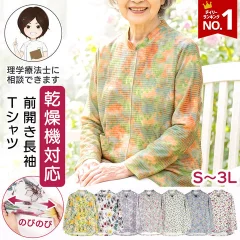
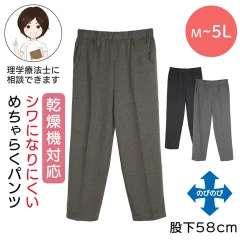
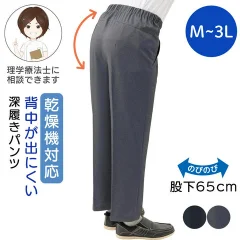
If you are unsure about clothing, come to Setagaya Kaigo
When a move into a roken is decided, we are also often asked:
- I'd like to prepare clothes that are easy to do rehabilitation in
- What kind of clothing is needed?
At Setagaya Kaigo, we ask about things such as:
- The person's physical condition
- The content of the rehabilitation
- Ease of changing
- Washing and dryer use
and suggest care clothing suited to that person.
Please feel free to ask us.
Feel free to ask us on LINE About the name-labeling service (free)Summary
A geriatric health services facility (roken) is a care facility where, after leaving hospital for example, a person aims at life at home while receiving rehabilitation.
Its purpose differs from that of a special nursing home; a major feature of a roken is that it aims at "returning home."
If it is your first time using a facility, you do not need to decide alone.
Start by consulting the community general support center or your care manager, and think together about a facility suited to the person.
* This article is based on the system in Japan as of July 2026. The system may be revised, so please check with your local government or community general support center for details.
References: Ministry of Health, Labour and Welfare, "Overview of the Long-Term Care Insurance System"; Care Service Information Disclosure System, "What services are there? — Geriatric health services facility (roken)" (Japanese)