What are assistive devices?
- It looks as if my parent will need care, but what should I prepare?
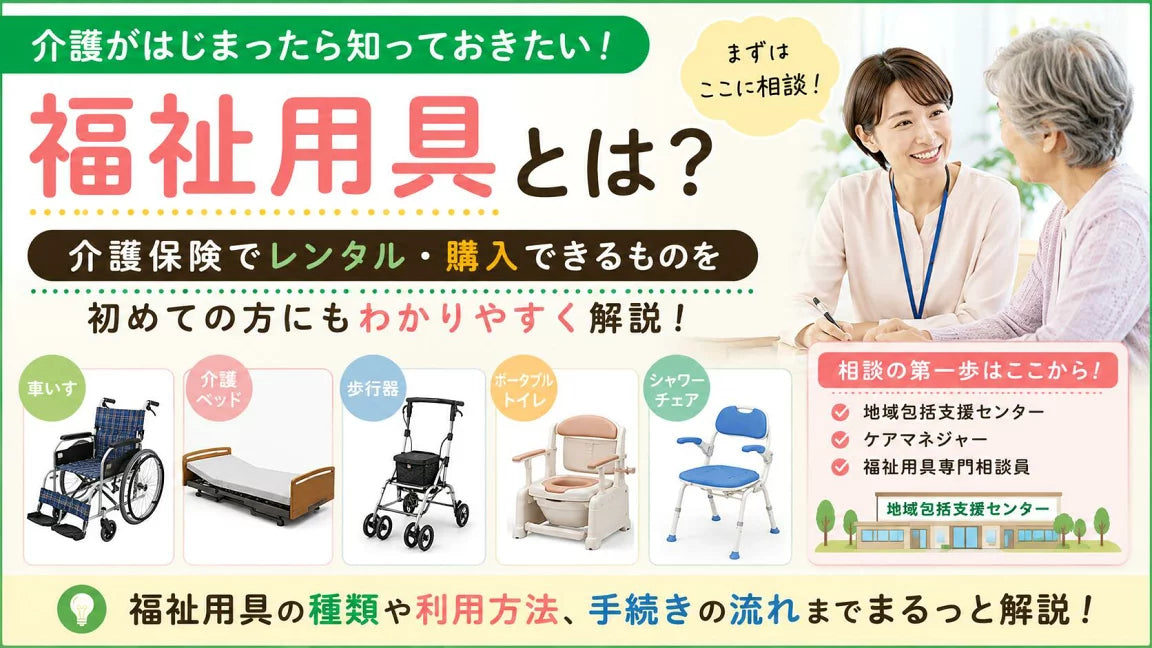
A term often heard at such times is "fukushi yougu" (assistive devices / welfare equipment).
Assistive devices are equipment that helps a person who needs care to live safely, and lightens the caregiving burden on the family.
For example:
- Wheelchairs
- Care beds
- Walkers
- Handrails
- Walking canes
Using devices suited to the person's physical condition supports daily life — preventing falls and making it easier to stand up and move around.
Long-term care insurance can be used for assistive devices
Some assistive devices are covered by long-term care insurance in Japan.
When the insurance is used, the user in principle pays 10% of the cost (20–30% depending on income), and the rest is paid by the insurance.
However, not all assistive devices are covered.
Under long-term care insurance, they are divided into:
- Items to rent
- Items to buy
Assistive devices that can be rented
Typical devices that can be rented under long-term care insurance include:
- Wheelchairs
- Care beds
- Walkers
- Walking canes
- Handrails
- Ramps
- Pressure-relieving mattresses
Note that the devices available differ according to the level of care need.
For questions such as:
- I'd like to rent a care bed
- Is a wheelchair covered?
a care manager or an assistive-device specialist will check and guide you, so please do not worry.
Assistive devices that are bought
Items unsuited to rental for hygiene reasons are bought.
For example:
- Portable toilets
- Shower chairs (bathing chairs)
- Bathtub handrails
- Bathroom duckboards
These are called "specified assistive devices," and are covered by long-term care insurance benefits if the conditions are met.
Long-term care insurance can be used for part of the purchase cost, up to a limit of 100,000 yen per year.
How do you start using assistive devices?
People facing care for the first time are often unsure:
- Where should I go for advice?
Basically, the flow is as follows.
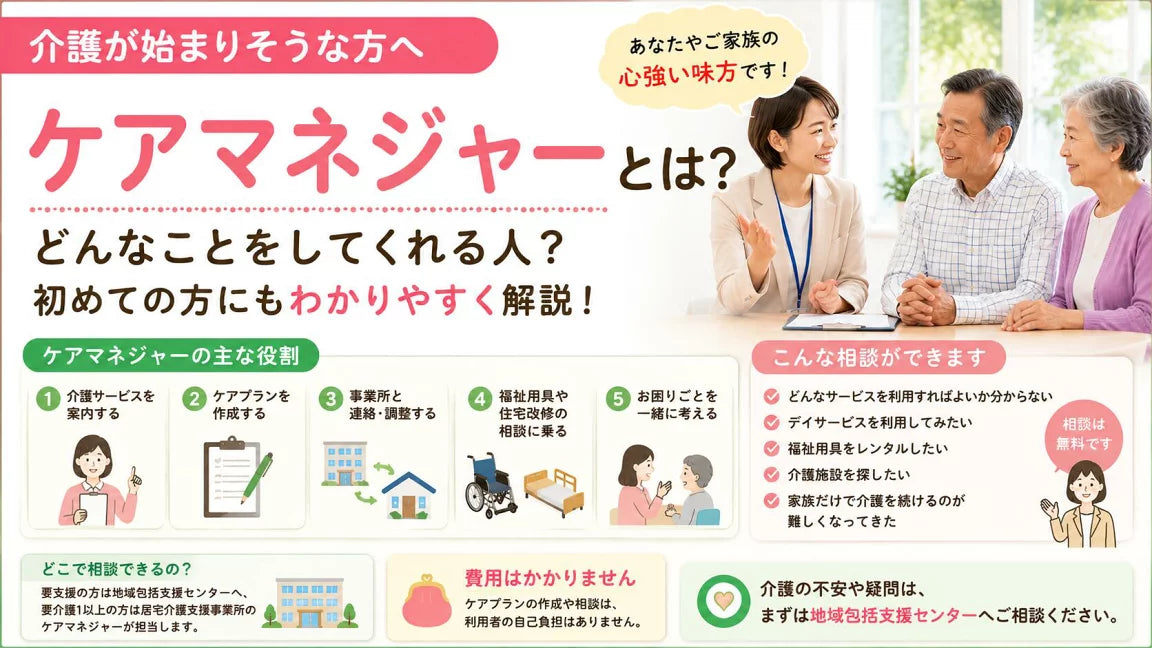
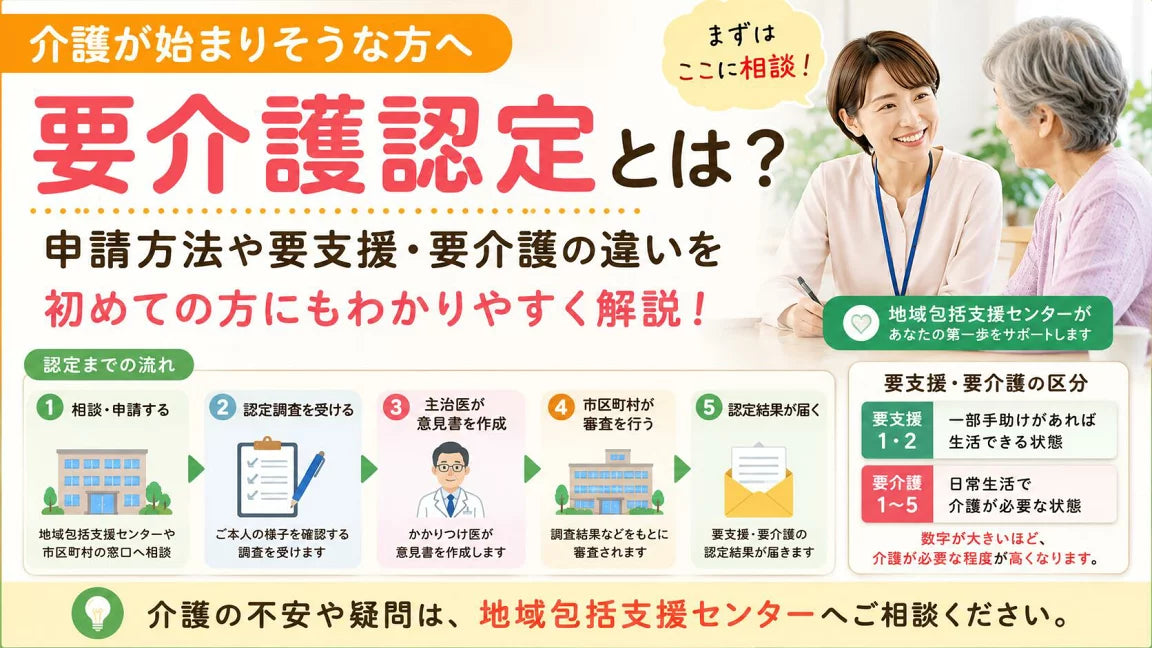
1. Consult the community general support center
If you are having trouble with care, start by consulting the community general support center for the area where you live.
You can consult them even at the stage of "I don't know yet whether we'll use long-term care insurance."
2. Apply for long-term care insurance if needed
If long-term care insurance is needed, they will also guide you through how to apply.
3. Consult a care manager
Once care services are to be used, a care manager looks at the person's life as a whole and thinks with you about which assistive devices are needed.
4. An assistive-device specialist makes proposals
An assistive-device specialist checks:
- The person's physical condition
- The home environment
- The wishes of the person and the family
and proposes devices suited to that person.
We recommend consulting before buying on your own
These days many assistive devices can be bought online.
However, cases like these are not uncommon:
- I can't decide which one to buy
- I bought it without knowing long-term care insurance could be used
It is important to choose assistive devices to suit the person's physical condition and living environment.
We recommend first consulting the community general support center or a care manager, and getting advice from an assistive-device specialist as needed.
Do not forget to prepare clothing too
Assistive devices alone do not change daily life. Reviewing everyday clothing to suit the person's physical condition can also make changing, moving, toileting and so on easier.
For example:
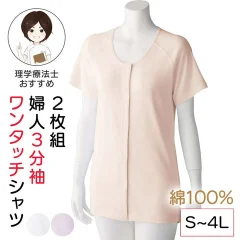
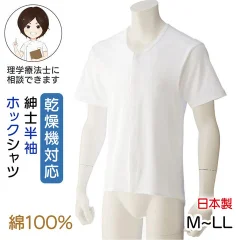
- Front-opening underwear
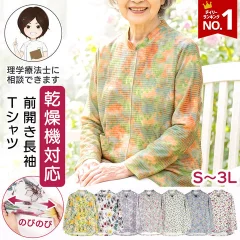
- Clothes that are easy to change even in a wheelchair
- Dryer-safe clothing
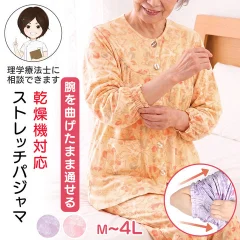
- Pajamas that make assistance easier
The clothing needed changes with the person's physical condition and living environment.
Here are examples of front-opening underwear and clothing that is easy to change.
Front-opening clothing that makes assistance easier
If you are unsure about clothing, come to Setagaya Kaigo
Once care begins, we are also often asked:
- What kind of clothes should we prepare?
At Setagaya Kaigo, we ask about things such as:
- The person's physical condition
- Care at home or moving into a facility
- Ease of changing and of assistance
- Whether the facility uses a dryer
and suggest care clothing suited to that person.
Please feel free to ask us, even at the stage of "I haven't decided whether to buy yet."
Ask us about clothing on LINESummary
Assistive devices are equipment that supports the life of a person who needs care.
With long-term care insurance, you may be able to rent items such as wheelchairs and care beds, or receive help with the purchase cost of items such as portable toilets and bathing aids.
People facing care for the first time do not need to decide everything on their own.
Start by consulting the community general support center.
As needed, a care manager or an assistive-device specialist will think with you about devices suited to the person.
For most people, caregiving is a first-time experience.
If there is something you do not understand, do not carry it alone; move forward with preparations one step at a time while consulting professionals.
* This article is based on the system in Japan as of July 2026. The system may be revised, so please check with your local government, the community general support center or your care manager for details.